
How Does Catalina Island Support Environmental Education?
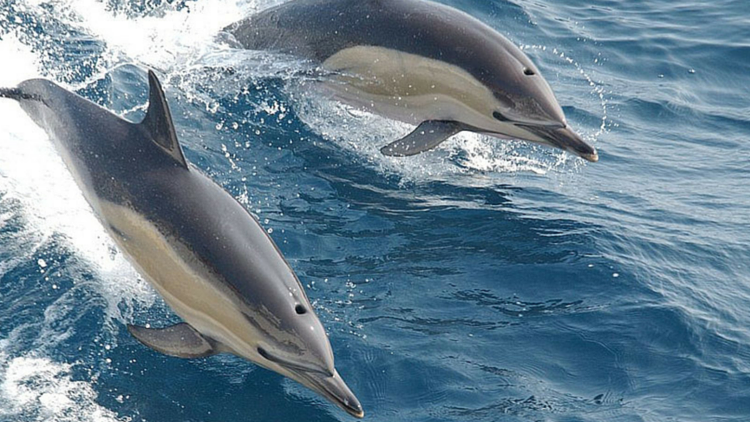
When it comes to Catalina Island marine science, this little island off the Southern California coast quietly shows up like the overachiever in a group project. Catalina does not just talk about environmental education. It lives it. For teachers and parents planning an educational trip, here are the big reasons why Catalina Island is such a powerful learning lab.
1. The ocean is the classroom
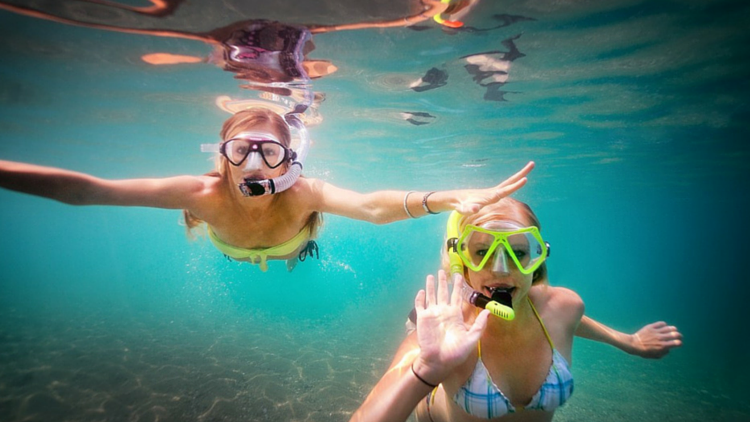
Catalina’s surrounding waters are part of a protected marine ecosystem, which means students get access to real, thriving habitats. Through a variety of experiential lessons, students observe kelp forests, reef fish, invertebrates and predator-prey relationships in action. This is marine biology at eye level. Instead of memorizing species names, students see biodiversity, adaptation and food webs happening in real time.
2. Environmental science is everywhere
Catalina is one of the best examples in California of conservation done right. Students learn how overfishing once damaged the island’s marine ecosystems and how marine protected areas are bringing diversity back. On guided hikes and eco tours, they study erosion, fire ecology, watersheds and sustainable land management. Suddenly, “ecosystem balance” stops being a vocabulary word and becomes something they can point to on the trail.
3. History explains why conservation matters
Environmental education hits harder when you know the story behind it. Catalina’s history includes Indigenous Tongva stewardship, ranching, mining, Hollywood tourism and military use during World War II. Students learn how human activity shaped the island and how conservation efforts helped restore it. The Catalina Island Museum and historic landmarks turn environmental science into a long-term story of responsibility and recovery.
4. Catalina Island marine science is hands-on
This is not a sit-and-watch destination. Students collect data, identify species, explore kelp forests and learn from marine educators who actually work in the field. Whether it is testing water quality or tracking marine life, Catalina makes science feel active, relevant and exciting.
5. Teamwork is built into the experience
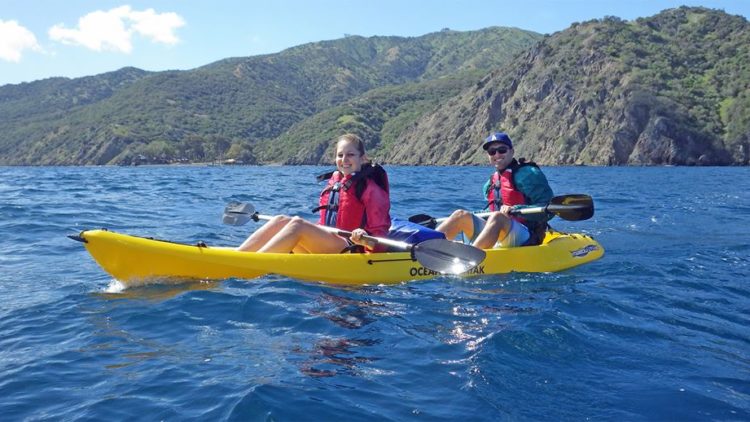
Environmental education is not just about nature. It is about people working together to protect it. On Catalina, students kayak, hike and problem-solve in groups, building communication and leadership skills along the way. These shared experiences create stronger bonds and teach students how collaboration supports conservation.
6. Learning sticks because it feels like adventure
When students are exploring kelp forests or hiking through protected habitats, they are emotionally invested. That sense of discovery makes lessons memorable. Catalina Island marine science blends curiosity with real-world impact, which is exactly how environmental education should work.
Catalina Island supports environmental education by turning science, history and teamwork into something students can experience, not just read about. It is immersive, meaningful and just plain cool. For teachers and parents looking to inspire the next generation of environmental stewards, Catalina delivers.